Online vs In-Person Coding Classes for Kids: Which Fits Better? (2026)
Which Is Better?9 min read
Parent Guides

Maya Putri
Early Childhood Education Specialist
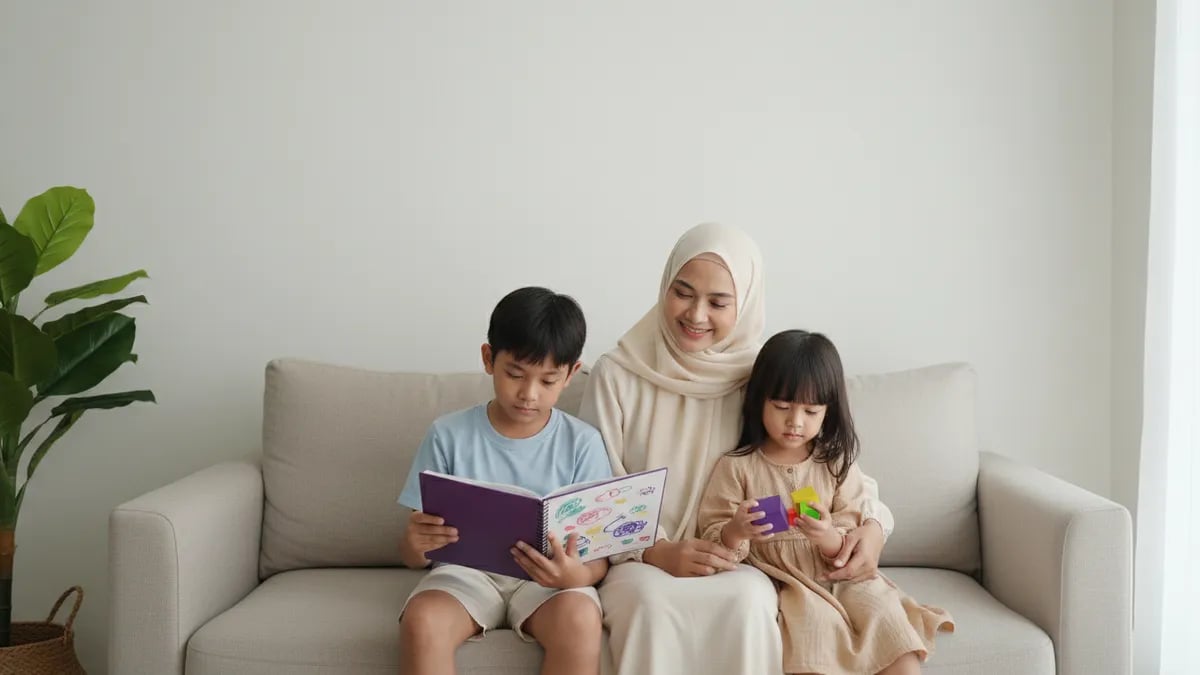
The best classes for kids by age follow one rule: a gentle, play-based class at 5, one focused class at 7, and a choice between math, coding and design from 9. One main class is enough at every age, and a second one only if your child asks for it. This guide gives a table for ages 5, 7, 9 and 12, plus a simple way to test a class before you commit.
One main class per age is enough, and a second class can be added once your child is still keen after a month. The table below shows the choices that make sense at each age.
| Age | Main class | Can be added | Usually too early or too much |
|---|---|---|---|
| 5 years | Light reading and counting (calistung), number games | Drawing, or coding with picture blocks | Subject tutoring aimed at grades |
| 7 years | Basic math or abacus | ScratchJr coding, drawing | Three classes at once |
| 9 years | Grade 3-4 math or coding | Design, English | Intensive tutoring with no goal |
| 12 years | Math for middle school, or coding | Graphic design, Python | Every subject at once |
These are rules of thumb, not fixed rules. A child who already reads fluently can move faster, and a child who is tired after school needs a lighter week.
For a 5 year old, choose a class that feels like play: letters, numbers up to 20, drawing, or coding with picture blocks. A child this age does not need subject tutoring, and short, active sessions usually work better than sitting still for long.
Calistung (reading, writing and counting) is a common first choice because primary school expects children to read. The full picture is in our guide to calistung classes for ages 5-7. Algonova does not run calistung classes. For 5 year olds we teach coding with ScratchJr for ages 5-7 in live online classes with a teacher.
A simple example: a 5 year old gives commands such as "forward, turn, stop" to a character on screen, then acts them out in the living room. That is sequencing practice that later helps with counting and reading.
Wondering whether formal math is too early? See when a child should start math tutoring.
At 7, a child in grade 1 or 2 of SD (primary school) is ready for one focused class, and the strongest choice is usually basic math or abacus. The reason is practical: numbers up to 100 and addition are the core of grades 1-2.
Abacus trains fast mental calculation through a tool and visual images, while concept-based math trains why an answer works. We compare them in abacus, finger math or online math and abacus classes: online or nearby. Algonova teaches math for ages 6-7 in the Math Starters level: see math classes for ages 6-7. The trial is a diagnostic of about 60 minutes.
A sensible second class at this age is ScratchJr coding or drawing, once a week. Getting ready for grade 1 is covered in classes for a grade 1 child.
At 9, a child in grade 3 or 4 benefits most from math or coding, because school math gets heavier with multiplication, division and fractions. Children this age also read instructions and type well enough to move from ScratchJr to Scratch.
For math, our Math Explorers level covers grades 3-6 (ages 8-12), described in math classes for grades 3-6. For coding, the path is in coding courses for grades 3-6, moving from Scratch to Roblox and then Python.
One more fact worth knowing: Indonesia's Ministry of Primary and Secondary Education (Kemendikdasmen) made Coding and Artificial Intelligence an elective subject from grade 5, phased in from the 2025/2026 school year (press release, 23 July 2025). A child who starts coding in grade 3 or 4 arrives at that subject better prepared.
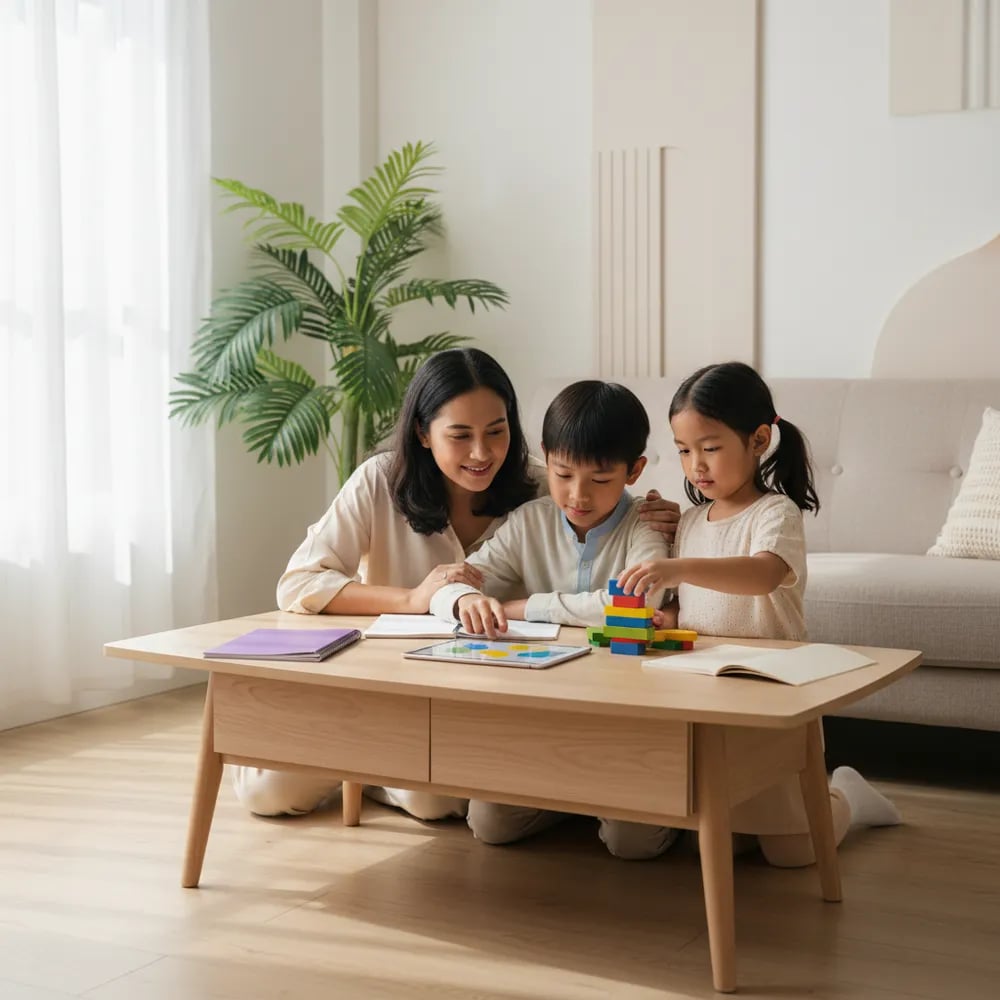
Unsure which way your child leans? Read how to find out your child's talent in primary school and drawing classes for kids for children who prefer visual work.
For a 12 year old, usually in grade 6 of SD or grade 7 of SMP, choose by goal: math for middle school, or a new skill such as Python or design. At this age a child can say what they like, so let them take part in the decision.
If the goal is grades, math is the most direct choice. A grade 6 child can continue on the primary path, while an SMP student can look at math classes for middle and high school. If the goal is a skill, see coding for teens in SMP and SMA and graphic design for kids.
For example, a grade 6 child with steady math grades who loves making games can choose coding as the main class and leave math to school. A child whose grades are slipping should fix math first and add a second class later.
A healthy schedule has one main class, at most one extra class, and free time to rest and play every day. How often per week is covered in how many times a week primary school kids should have extra classes. Practical steps:
Signs of an overloaded week include frequent tiredness, slipping grades, or losing interest in things your child used to enjoy.
The safest way to choose is to try one real session before paying for a package. Watch four things during a trial lesson:
Algonova offers a free trial: a diagnostic of about 60 minutes for math, and a 60 minute master class for coding and design. Classes are online with a live teacher, in groups of up to 10, from Rp 102,000 per lesson. A child who has tried a class is far easier to ask for an opinion than one who has only been told about it.
The best class for a 5 year old is one that feels like play: light calistung, drawing, or coding with picture blocks. Children this age focus best on short activities that change often, so short sessions work better than long ones. What you are building is the habit of sitting with a teacher, following a sequence, and feeling confident enough to try. There is no need for subject tutoring. One class a week is enough, and the rest of the time is better spent on free play with family, which also builds language and motor skills.
A 7 year old does not have to take two classes, but one main class plus one light class is reasonable if your child enjoys both. For example, basic math once a week and drawing or ScratchJr coding once a week. What matters is your child's energy after school, not the number of classes. If your child starts complaining of tiredness or refusing to go, drop one class first. Three or more classes at this age are usually too much, especially while your child is still adjusting to longer school days.
For most primary school children, math comes first when the goal is grades or school readiness, and coding comes first when a child loves screens and wants to make things. They do not compete: the logic of coding helps with math thinking, and the other way round. The easiest way to decide is to try both trial lessons and see which one your child wants to continue. Algonova offers a math diagnostic of about 60 minutes and a 60 minute coding master class, both free, so the decision does not have to be a guess.
There is no fixed age to start calistung. Many parents introduce it gently in the run-up to primary school, and it should stay relaxed. The aim is to recognize letters, read simple syllables and count objects, not to finish worksheets for hours. A child who already likes reading alone often needs no formal class, only a book read together every day. If you are unsure, watch whether your child enjoys or dreads practice. Details on age ranges, costs and when a teacher helps are in our calistung guide on the blog.
Yes, as long as coding does not replace fixing math. A 9 year old whose grades are dropping should keep math as the main class and add coding once a week only if the schedule is still loose. Coding often builds interest in logic, but it is no substitute for practicing multiplication or fractions. Start with a math diagnostic to see which topics are weak, then decide the split. Review after 4 weeks: if grades improve and your child stays keen, keep the schedule as it is.
A bored 12 year old usually needs choice and a goal that feels real, not extra study hours. Offer a few classes of different kinds, such as coding to make games, graphic design, or math with a clear target, and let your child try a trial lesson of each. Children this age follow decisions they helped make. If the boredom comes from one school subject, talk with the teacher first so the real problem is visible before you add another class.
At Algonova, live online classes in groups of up to 10 start from Rp 102,000 per lesson, and the final price depends on the package and number of lessons. The trial class is free, so you can try before paying. Other classes vary widely by city, format, and whether a tutor comes to your home or teaches online. Compare by working out the cost per lesson and per month, not only the package price, and make sure you know what each lesson contains. Prices are listed on the course pages.
Signs of too many classes include frequent complaints of tiredness, refusing to go, slipping school grades, or losing interest in things your child used to love. Another sign is a week with no truly free afternoon. If several appear, drop one class and give back free play time. A practical guide we use is no more than 3 to 4 hours of extra classes per week for a primary school child, reviewed every 4 weeks. This is a rule of thumb, not an official limit, and every child is different.
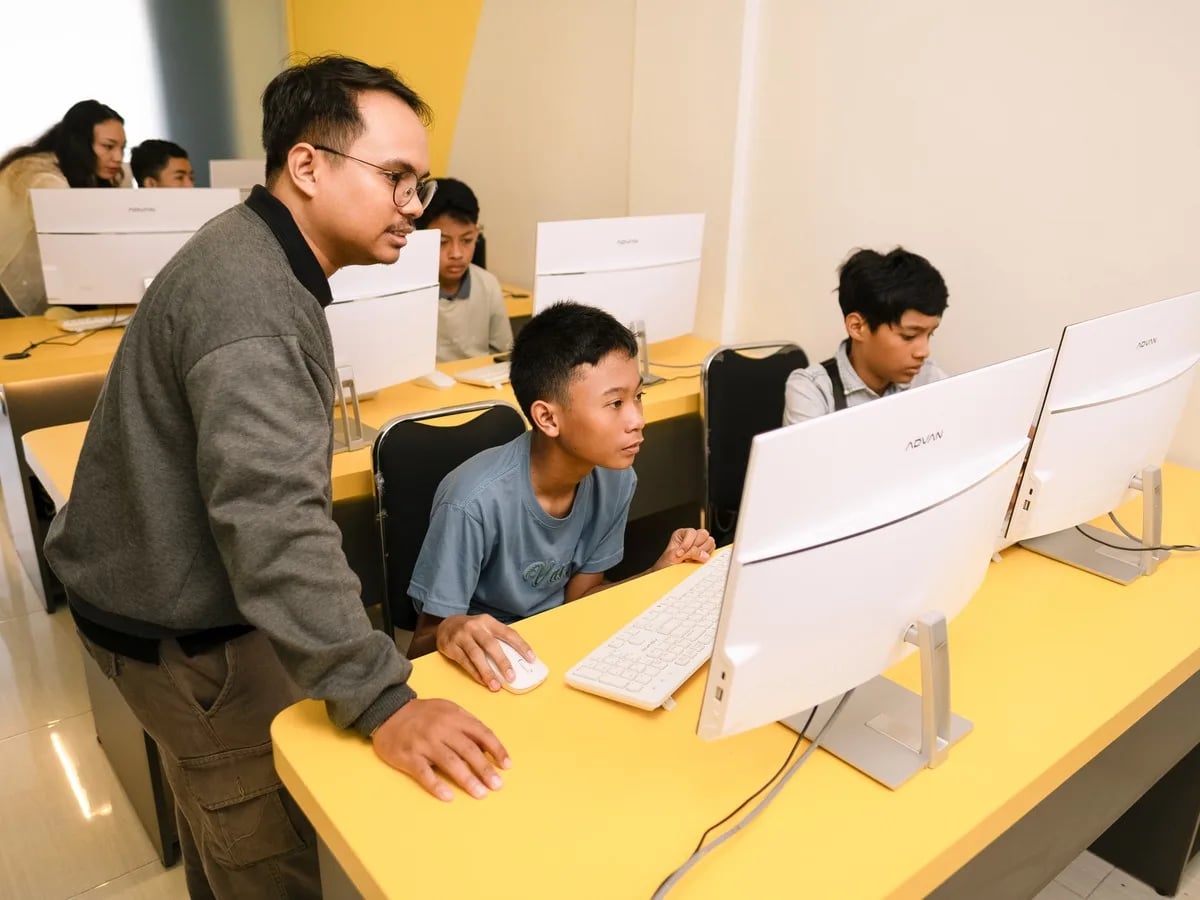
Online classes suit young primary school children when they are live with a teacher, the group is small, and a parent sits nearby at the start. Children aged 5 to 7 need short sessions and active interaction, not just watching a screen. Set up a quiet desk, a stable device, and stay close for the first few sessions. The advantage is that your child does not have to travel after school. Make sure there is a trial class so you can judge for yourself whether your child is comfortable learning on screen.

Algonova worldwide
Contact
Whatsapp: +62 21 50996971
Email: info@algonova.id
Address
Coworking Area, Gedung IT 6 Lantai Dasar, Nongsa Digital Park, Jalan Hang Lekiu, Kelurahan Sambau, Kecamatan Nongsa, Batam, Indonesia Directorate General of Consumer Protection and Trade Compliance – Ministry of Trade of the Republic of Indonesia. WhatsApp Ditjen PKTN: 0853-1111-1010.
PT Algonova Indonesia Cerdas All rights reserved 2026