Math Tutoring Near Me: A Parent's Guide to Choosing

Parent Guides8 min read
Learn Math

Dewi Lestari
Mathematics Specialist
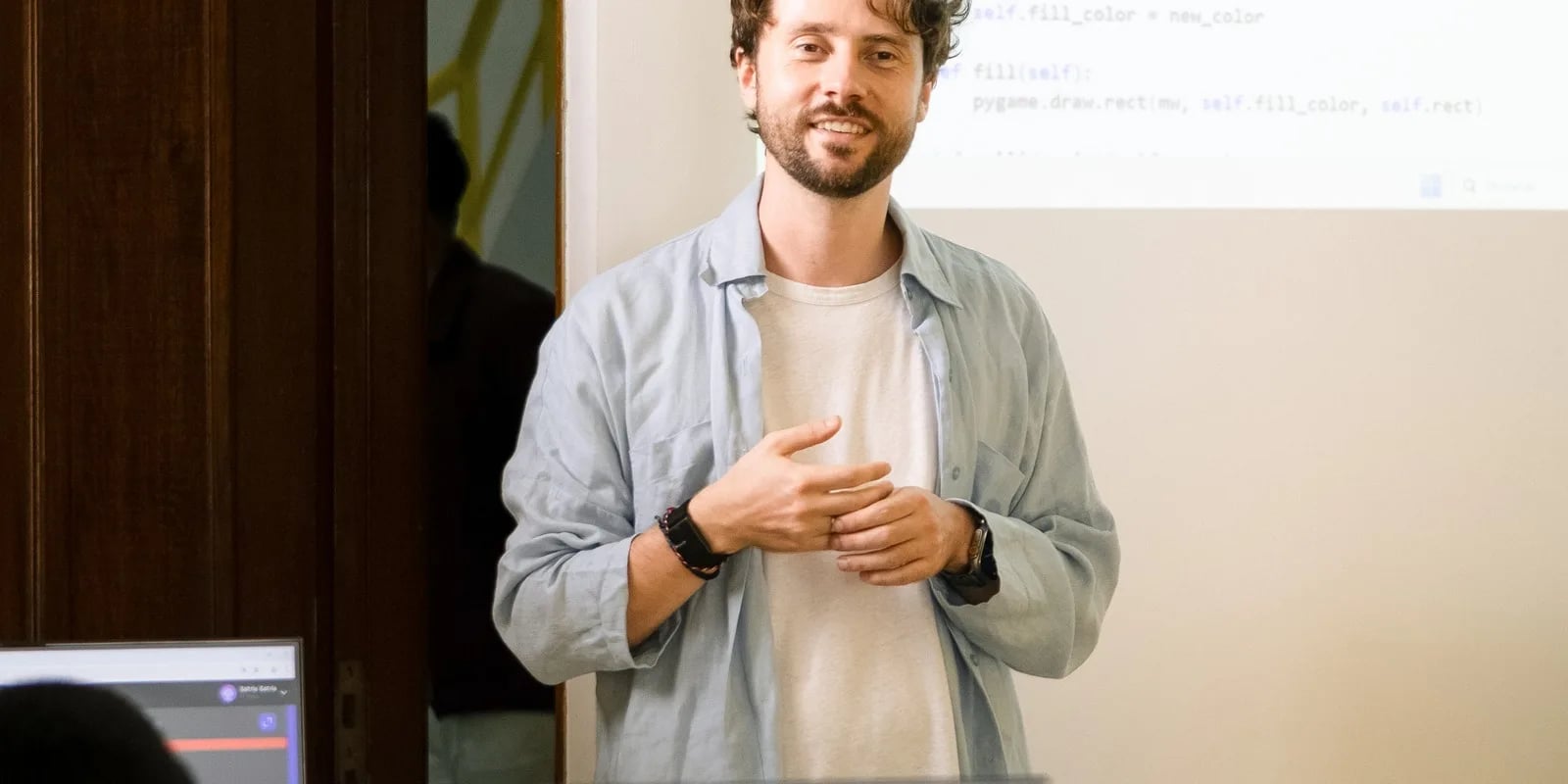
Online math tutoring is a live math class with a certified teacher over the internet, usually in a small group, with a step-by-step curriculum and gamification. For most children aged 6–14, this format delivers consistent results, saves travel time, and generally costs less than a private tutor visiting your home. This guide helps parents understand how it works, what it costs, and how to choose.
Finding a math tutor for your child no longer means stacking up worksheets or driving to a learning center every afternoon. Online math tutoring opens a new option: your child learns from home with a real teacher while you can follow along without the drop-off hassle. But because the choices are so many — from automated apps to live classes — parents need to know what actually makes online tutoring work.
Algonova is an online math, coding, AI, and design platform for kids aged 5–17. Since 2016, 1,000,000+ graduates from 97 countries have studied with us, with a 4.9-star rating from parents. Classes run live with certified teachers in Private (1 student), Mini (2-4 students), and Group (up to 10 students) formats — not recorded videos or automated drill apps.
Online math tutoring is math instruction delivered over the internet in real time, where the child and teacher connect through video, a digital whiteboard, and interactive materials. Unlike simply watching lesson videos or doing an automated practice app, real online tutoring is two-way: the teacher can see the child's work, correct it live, and answer questions on the spot.

Three formats often get called "online tutoring", and the differences matter:
To weigh online against in-person options in your city, our guide to choosing nearby math tutoring covers location and format in more depth.
A good online math session isn't just a video call — it has a clear structure from the first minute to the last. Understanding the flow helps you judge whether a class actually teaches or just keeps your child company in front of a screen.
Session length varies by provider; at Algonova a regular lesson runs 90 minutes with a pattern: a short warm-up, a new concept on the digital whiteboard, guided practice, then an independent challenge. The teacher shares their screen, the child writes answers on an interactive board, and both see the work live.
A few elements set one platform's method apart from another:
If your child often struggles and you want to understand the root cause before choosing tutoring, read why kids struggle with math.
Online math tutoring works not because of the screen, but because of a live teacher, a small class, and fast feedback every session.
Dewi Lestari, Mathematics Specialist, Algonova
For most families, online math tutoring wins not because it's "modern", but because it removes the barriers that quietly erode learning consistency. Here's what parents in Indonesia feel most.
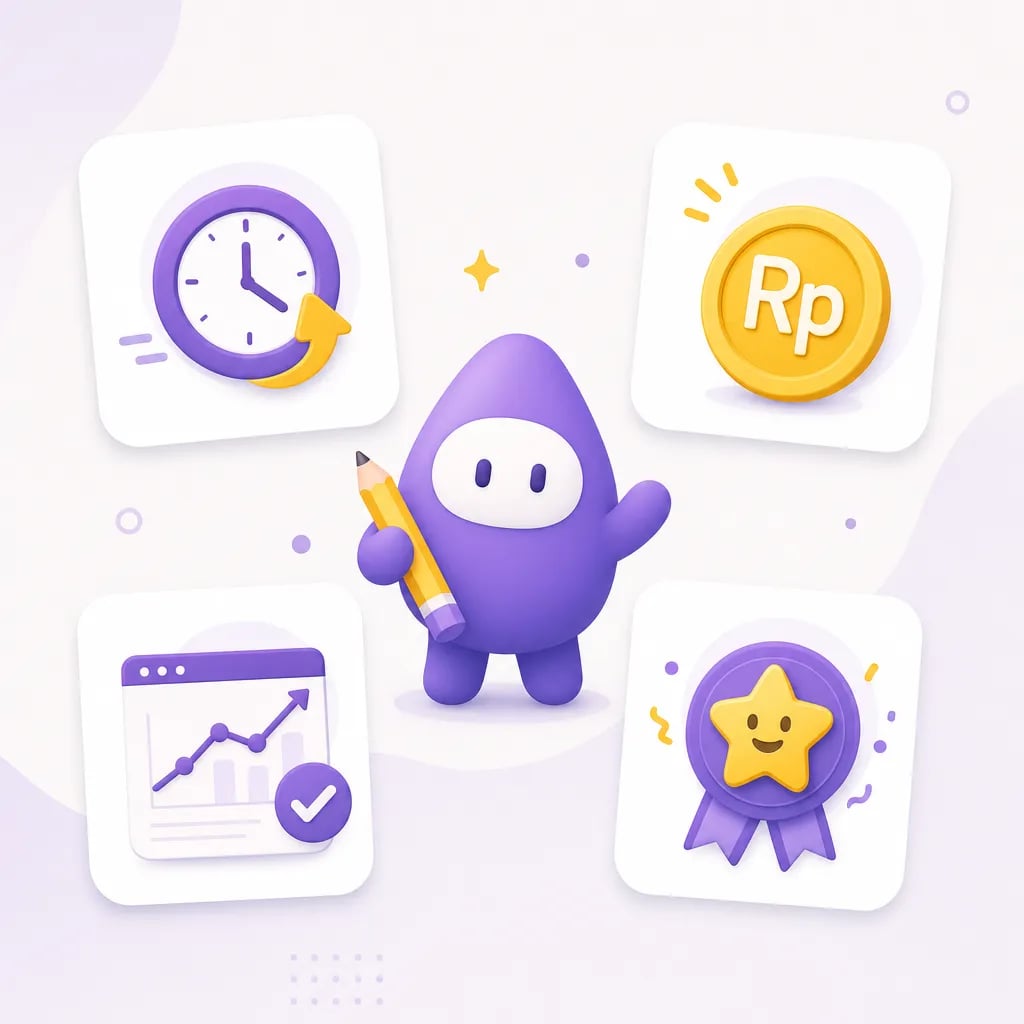
These benefits only matter if the child is willing to join. If your child tends to avoid math, building their interest matters as much as the tutoring — ideas are in how to help your child enjoy math.
Good online tutoring doesn't treat every age the same — teaching style and goals differ at each stage. Match your expectations to your child's age. At Algonova, math classes start at age 6 and are split into three levels.
Lesson length is the same at every level: 90 minutes, with the pace and type of activity adapted to the child's age.
If you're unsure whether now is the right time to start, our guide on when a child should start math tutoring covers the readiness signs.
Children of different ages need different formats. Good online tutoring adapts session length and teaching style to the child's stage.
Putri Anggraini, Head of Math Program, Algonova
Before you subscribe, filter online math tutoring options with these six criteria. Price matters, but the six things below decide whether your child actually improves.
The easiest way to test all six is a single trial class: you see the teacher, the format, and your child's reaction firsthand.
When you tally the cost of online math tutoring, compare total cost and results, not just the hourly rate. Here's a rough 2026 picture as a reference point, not a hard rule.
| Option | Cost range | Notes |
|---|---|---|
| Standalone apps or videos | Cheapest, some free | No live teacher; many kids drop off midway |
| One-on-one private online | Highest hourly rate | Personal, but no group dynamics |
| Online classes with a teacher (Algonova) | From Rp 102,000 per lesson | Live teacher, curriculum, gamification, reports |
An Algonova online class already includes materials and progress reports, with no transport cost at all. That's why, even though the hourly rate looks lower than a private tutor, the value a family gets is often higher.
For most kids aged 6–14, online math tutoring with a live teacher offers the best balance of teaching quality, consistency, and cost. Instead of guessing, the most honest way to choose is to try it. Try a free math diagnostic session, about 60 minutes long, and see for yourself how your child responds to an online class with a certified Algonova mentor before you decide.
Online math tutoring works for children when the class is live with a teacher, the group is small, and the material is interactive rather than just a video to watch. The online format gives schedule flexibility and access to quality teachers without leaving home. The same logical thinking is used in Algonova's coding classes. To get started, see the programme options on the Algonova classes page, or try a free math diagnostic so your child starts at the right level.
Online math tutoring is math instruction delivered over the internet in real time, where the child and teacher connect through video, a digital whiteboard, and interactive materials. Unlike simply watching lesson videos or doing an automated practice app, real online tutoring is two-way: the teacher can see the child's work, correct it live, and answer questions on the spot. It can take the form of small live group classes, one-on-one private lessons, or a mix. For most kids, a live class with a teacher offers the best balance of interaction, cost, and consistency.
For most kids, yes, as long as the class runs live with a real teacher rather than just recorded videos or an automated app. What drives outcomes is live interaction, a sensible class size, and schedule consistency, not where the teacher sits. Online classes actually have advantages: the child can ask the teacher to go over tricky material again on the spot, schedules are more flexible, and you can pick the best teacher without a location limit. The safest way to judge is to request a free trial first, then watch whether your child stays focused and wants to come back.
Cost varies by format. Standalone apps or videos are cheapest, some free, but without a live teacher to correct work. One-on-one private online lessons carry the highest hourly rate. At Algonova, online classes with a teacher start from Rp 102,000 per lesson and already include materials and progress reports, with no transport cost. Compare total cost and results, not just the hourly rate.
Algonova math classes are open to children aged 6 to 17, and readiness signals matter more than the number. At the earliest level (ages 6-7) classes are light and play-based. The most common stage to start is primary school, when concepts like multiplication, division, and fractions begin to pile up. Middle and high schoolers need deeper material for algebra, geometry, and exam prep. Start considering tutoring when concrete signs appear: grades drop for two straight semesters, the child avoids math homework, or they get stuck on one topic.
Judge six things before subscribing. First, make sure classes are live with a real teacher, not recorded video. Second, the teacher should be certified and experienced with kids your child's age. Third, the class size should be stated openly; Algonova offers Private (1 student), Mini (2-4 students), and Group (up to 10 students) formats. Fourth, a free trial to see whether the teaching style fits. Fifth, content aligned with Kurikulum Merdeka, with a syllabus you can request. Sixth, and often the most decisive, watch whether your child enjoys the class. The easiest way to test all six is a single free trial lesson.

Algonova worldwide
Contact
Whatsapp: +62 21 50996971
Email: info@algonova.id
Address
Coworking Area, Gedung IT 6 Lantai Dasar, Nongsa Digital Park, Jalan Hang Lekiu, Kelurahan Sambau, Kecamatan Nongsa, Batam, Indonesia Directorate General of Consumer Protection and Trade Compliance – Ministry of Trade of the Republic of Indonesia. WhatsApp Ditjen PKTN: 0853-1111-1010.
PT Algonova Indonesia Cerdas All rights reserved 2026