
Kumon Fees in Indonesia 2026: Monthly Cost, How the Method Works, and Online Alternatives
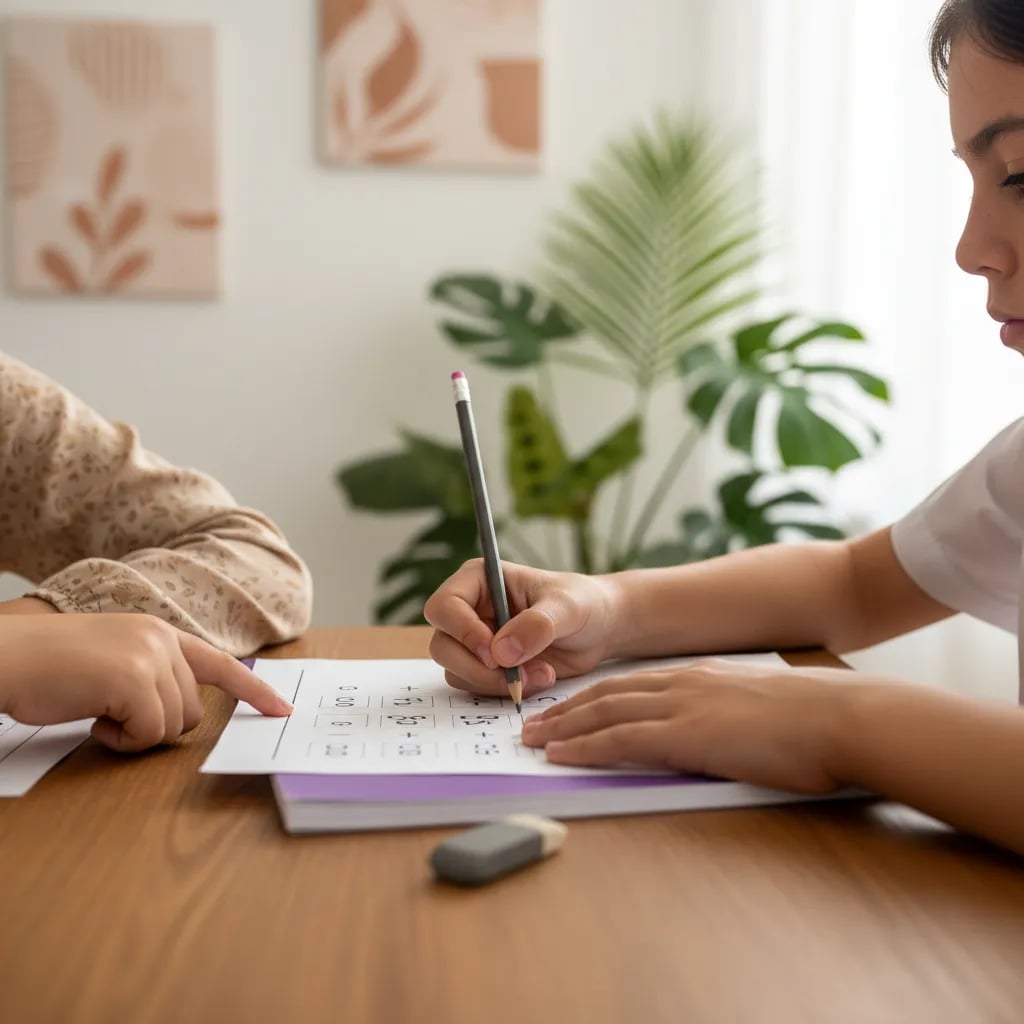
Parent Guides12 min
Checklists & Calendar

Intan Permata
Education Calendar Editor, Algonova
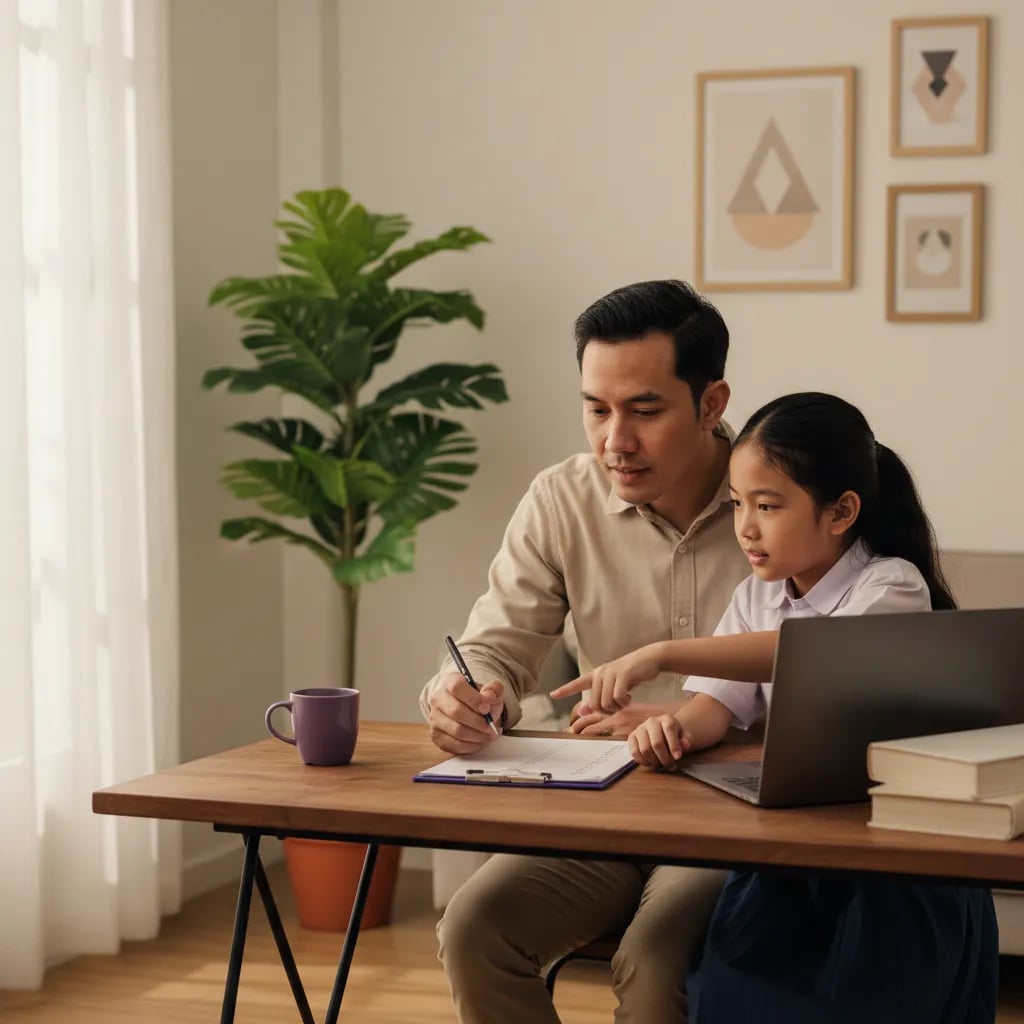
The best online tutoring in Indonesia for a primary school child is the one that passes 9 checks before you pay: a live teacher, a small class, the same teacher every week, a placement test, lessons matched to the child's grade, session length that suits the age, regular reports, clear pricing, and a free trial class. Score each from 0 to 2. Score 14 of 18 or more? Try it for a month.
The best online tutoring service is the one that fits what your child needs right now. A Grade 2 pupil who still counts on fingers needs something very different from a Grade 6 pupil getting ready for end-of-school exams.
In Indonesia, the word bimbel (bimbingan belajar) covers three quite different products, and each gives your child a different amount of time with a teacher.
| Type | How it works | Good for | Risk for a primary pupil |
|---|---|---|---|
| Video and practice app | The child watches lessons and solves exercises alone | Independent kids who only need extra practice | Nobody checks whether the child understands |
| Large live class | One teacher, dozens or hundreds of students | Exam preparation for strong students | Shy kids rarely ask a question |
| Small live class or private | One teacher with 1 to 10 children | Kids who are behind or need attention | Higher cost per session |
Example: Rani, in Grade 4, used a practice app for three months. Her fraction scores stayed in the 60s because she guessed answers, and nobody ever saw how she worked them out.
The first three checks answer one question: will a teacher pay attention to your child during the lesson?
Red flag: the admin cannot tell you how many children are in a class, or says "it depends on the schedule".
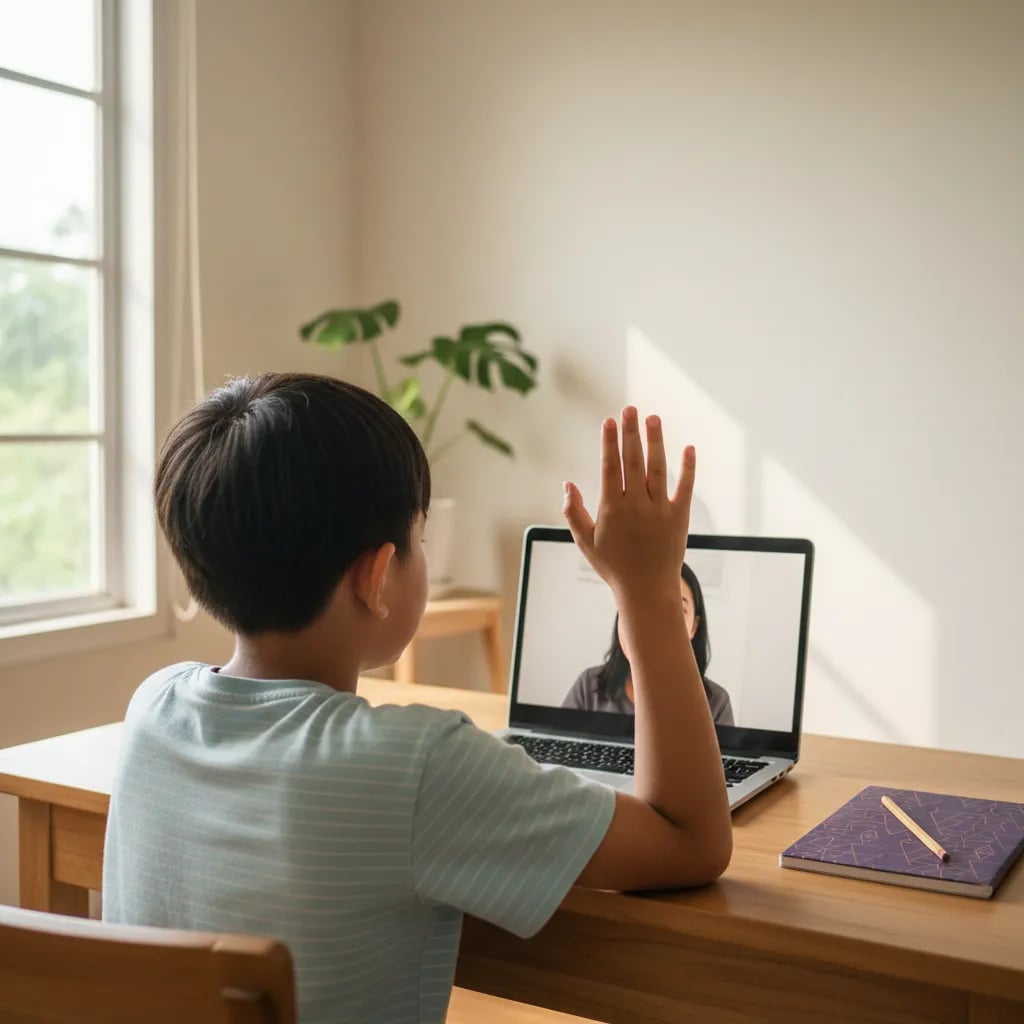
Good material starts from your child's current level.
Example: Bagas, Grade 5, was signed up because he scored 55 on fractions. The diagnostic showed the real problem was multiplying by 6 to 9. After two weeks on multiplication, he could start solving fraction problems on his own.
The last three checks protect your money and time if the provider turns out to be a poor fit.
Red flag: you are asked to pay for 6 or 12 months upfront before your child has attended a single class.
Parents tend to compare package prices, but the result depends on how many minutes your child actually spends talking with a teacher. Work that out first, then compare prices.
Intan Permata, Education Calendar Editor, Algonova
The fastest way to compare providers is to score every option the same way: 0 means missing, 1 means partly there or a vague answer, 2 means clear and backed by something you can see.
| Check | Question for the admin | Score 2 if |
|---|---|---|
| 1. Live teacher | Can my child ask questions in class? | Yes, every session is live |
| 2. Class size | How many children per class? | 10 or fewer, private option available |
| 3. Same teacher | Is it the same teacher every week? | Yes, a regular teacher |
| 4. Placement test | Is there a level test before starting? | Yes, with results explained |
| 5. Material | Which topics for my child's grade this month? | Names specific topics |
| 6. Session length | How many minutes per session? | Suits the age, with breaks |
| 7. Reports | Can I see a sample report? | Topic-by-topic reports on a schedule |
| 8. Cost | What is the cost per hour with a teacher? | Written breakdown, no hidden fees |
| 9. Trial | Is there a free trial class? | Free, no obligation to buy |
How to read the total: 14 to 18 is worth trying, 10 to 13 means go back with questions on the weak checks, below 10 means keep looking. Example: Provider A scores 2 for interactive videos but 0 for a live teacher and class size, for a total of 9. Provider B scores 15 and is only weak on session length. For a child who is behind, B makes more sense even with a higher package price.
The trial class is where you see checks 1 to 6 with your own eyes, so sit near your child for the first and the last 10 minutes.
What to look for:
Afterwards, ask your child two things: "Do you want to go again?" and "What was the best part?" Primary school kids usually answer honestly and fast.
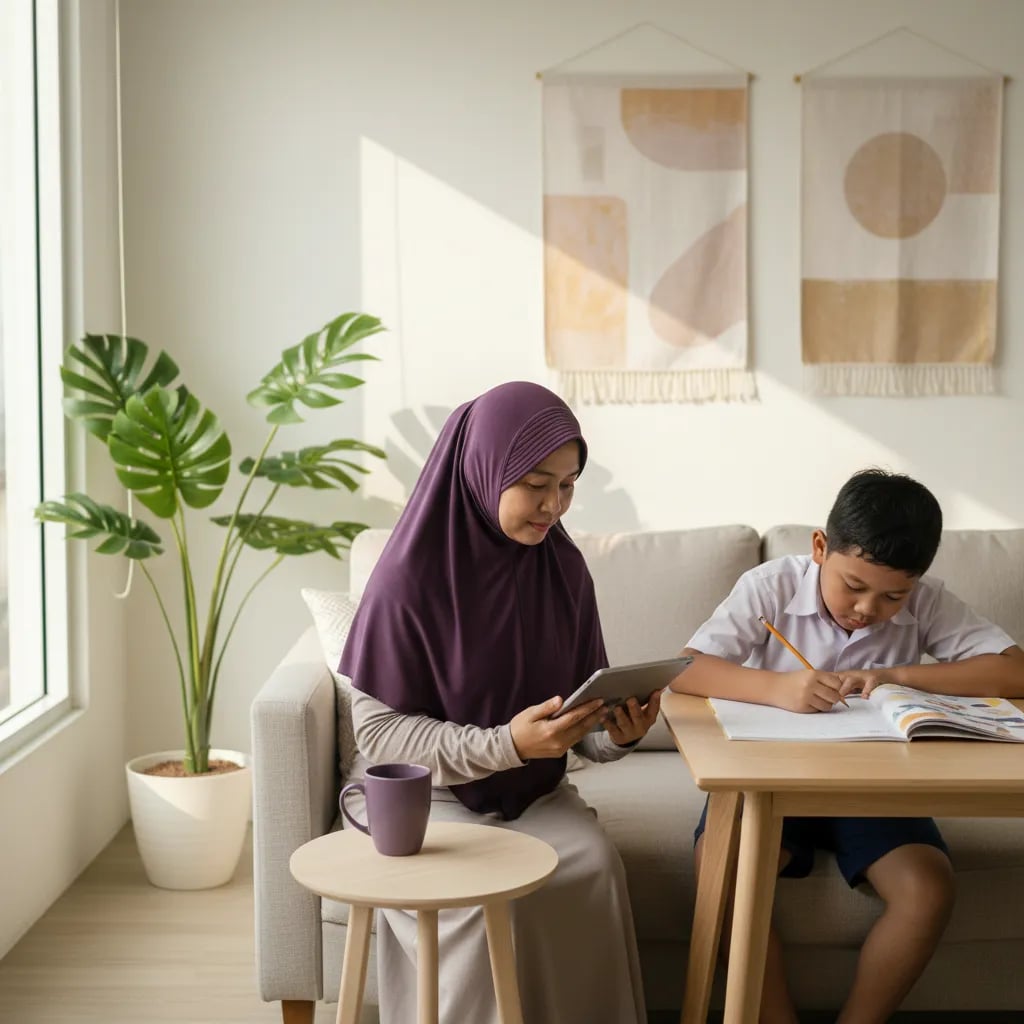
Online tutoring does not suit every family, especially when the child has no quiet place to study or the problem is not the school subject itself.
If a tutor at home suits your child better, compare private tutor costs in Indonesia first and read our guide on private tutoring or a study centre. For maths, there is also a guide to choosing an online maths tutor and an overview of online maths tutoring for primary and lower secondary.
At Algonova, certified teachers run live classes in three formats: private one-to-one, mini groups of 2 to 4 children, and groups of up to 10. Prices start at Rp 102,000 per session. For maths, see online maths lessons for primary kids. For coding, see coding classes for primary kids or go straight to a free 60-minute coding class. If you are weighing online against in-person coding lessons, read online vs in-person coding classes.
No single provider is best for every primary school child; the best one is the option that scores highest on the 9 checks for your child's needs. A child who is behind needs a live teacher and a small class, while a strong student may only need extra practice exercises. Fill in the scoring table for two or three providers, then book a trial at the one with the highest score. For example, a Grade 3 pupil struggling with times tables gets more from a teacher who watches how they calculate than from a video they can replay. Download counts and "top 10" lists say little about whether a child understands fractions. A score of 14 out of 18 or higher is worth a 4-week trial before you commit to a longer package.
Online tutoring prices in Indonesia vary widely, from cheap app subscriptions to expensive private lessons, so compare the cost per hour with a teacher, not the monthly total. App subscriptions are usually cheapest because no teacher teaches live. Live group and private classes cost more because you pay for a teacher's time. A worked example: Rp 600,000 for 4 sessions of 60 minutes is Rp 150,000 per hour, while Rp 408,000 for 4 sessions of 90 minutes is about Rp 68,000 per hour. At Algonova, classes start at Rp 102,000 per session, or about Rp 408,000 a month for a weekly group class. Ask for a written breakdown and check for registration fees before paying. Also count how many sessions your child will attend, since a cheap package that goes unused costs more per hour.
A small online group suits most primary school children, while a private tutor is the better fit for a child who is far behind or very shy. In a small group, children learn from each other's questions and the cost is lower. With a private tutor, all of the teacher's time goes to one child, so gaps close faster. Take a Grade 6 pupil two chapters behind before school exams: two private sessions a week usually catch them up faster. A Grade 3 pupil who just needs steady practice does fine in a group. Some online providers offer both formats, so you can start in a group and move to private lessons with the same teacher if needed. If you are unsure, try the group format for 4 weeks and read the teacher's report, which usually makes the answer clear.
For primary pupils, an online tutoring class should have no more than 10 children so that each child still gets a turn to speak. In bigger classes, the teacher cannot check answers one by one and shy children tend to stay silent until the end. Simple maths: if a 90-minute session spends a third of its time on practice with questions and answers, 10 children still get a few minutes of direct attention each. With 40 children, that time almost disappears. Mini groups of 2 to 4 children give even more attention. Ask the admin for the exact number in writing, because "it depends on the schedule" usually means the class can grow. Also ask whether children are grouped by level, since a small class that mixes Grade 2 and Grade 6 pupils is still hard to teach well.
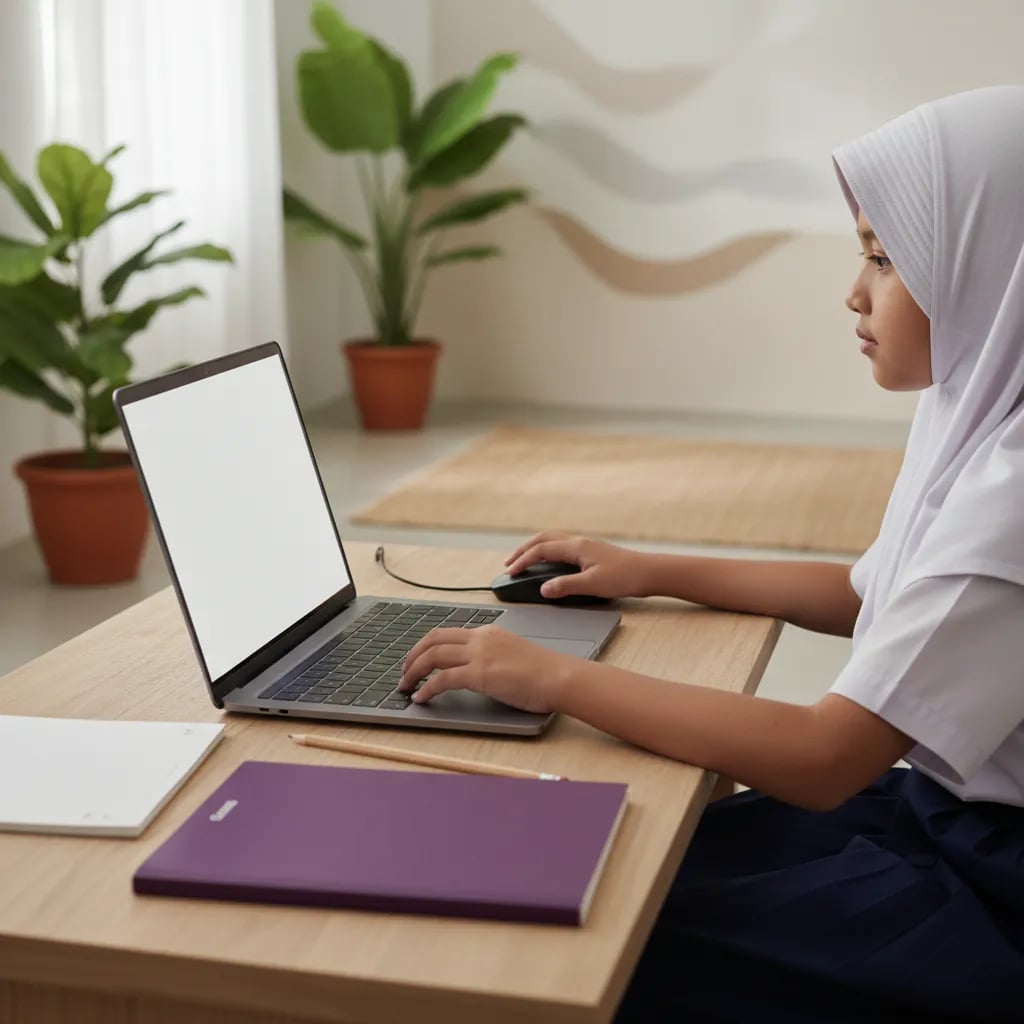
Online tutoring can work for Grade 1 and 2 children if the sessions are live, the class is small, and a parent sits in for the first few lessons. Children aged 6 to 7 are still learning to stay focused in front of a screen, so the teacher has to keep them answering, drawing, or counting objects around them. Video apps without a teacher rarely suit this age because nobody corrects how the child counts. A Grade 1 child who still counts on fingers, for instance, can be guided by a teacher towards faster methods. Start with one session a week, watch for 4 weeks, and add sessions if your child enjoys it and the teacher's reports show progress. Make sure your child uses a laptop or tablet with a decent screen at a table, not on the bed, which often matters more for focus than the topic itself.
Ask the nine questions from the scoring table, from whether the teacher is live to what happens when you quit. Most of all, ask about unused sessions. Get the answers in writing by message or email so you can compare providers side by side. Parents lose money most often when a child stops mid-package and the remaining sessions are not refunded or moved. A 12-session package with only 3 sessions used can be forfeited if the exit policy is unclear. Ask, too, how rescheduling works when your child is ill on lesson day. Admins who answer every question with concrete numbers tend to run classes more reliably too. Put all the answers in one note and fill in the 9-point table for each provider, so you compare facts rather than whichever advert you saw most often.
Your child is improving if the teacher's reports name specific topics that are now mastered and school results or problem-solving habits change within 4 to 8 weeks. Keep the placement test result as your starting point and compare it with the first monthly report. Ask your child whether school maths now feels easier. For instance, a child who first got 6 out of 10 multiplication questions wrong and gets only 2 wrong a month later is clearly making progress. If reports are still vague after 8 weeks and grades have not moved, talk to the teacher or consider a different format. At Algonova, parents receive a progress report every 4 weeks. It lists the topics covered, what improved, and the next step, so you can judge for yourself whether the cost matches your child's progress. Book a short chat with the teacher after the first report.
Yes, some online tutoring providers in Indonesia offer a free trial class, and it is wise not to pay for any package until your child has tried one. A trial shows you how the teacher teaches, the real class size, and how your child reacts. At Algonova, the maths trial is a diagnostic of about 60 minutes that shows which topics are strong and which need work, and the coding trial is a 60-minute master class where your child builds a first project. Both are free, with no credit card and no obligation to continue. After the class, fill in the 9-point scoring table for that provider and compare it with the others before you decide. Book the trial at the time of day you would use for regular lessons, such as after school, so you see your child as they will really be, tiredness included.
Blog

Algonova worldwide
Contact
Whatsapp: +62 21 50996971
Email: info@algonova.id
Address
Coworking Area, Gedung IT 6 Lantai Dasar, Nongsa Digital Park, Jalan Hang Lekiu, Kelurahan Sambau, Kecamatan Nongsa, Batam, Indonesia Directorate General of Consumer Protection and Trade Compliance – Ministry of Trade of the Republic of Indonesia. WhatsApp Ditjen PKTN: 0853-1111-1010.
PT Algonova Indonesia Cerdas All rights reserved 2026
