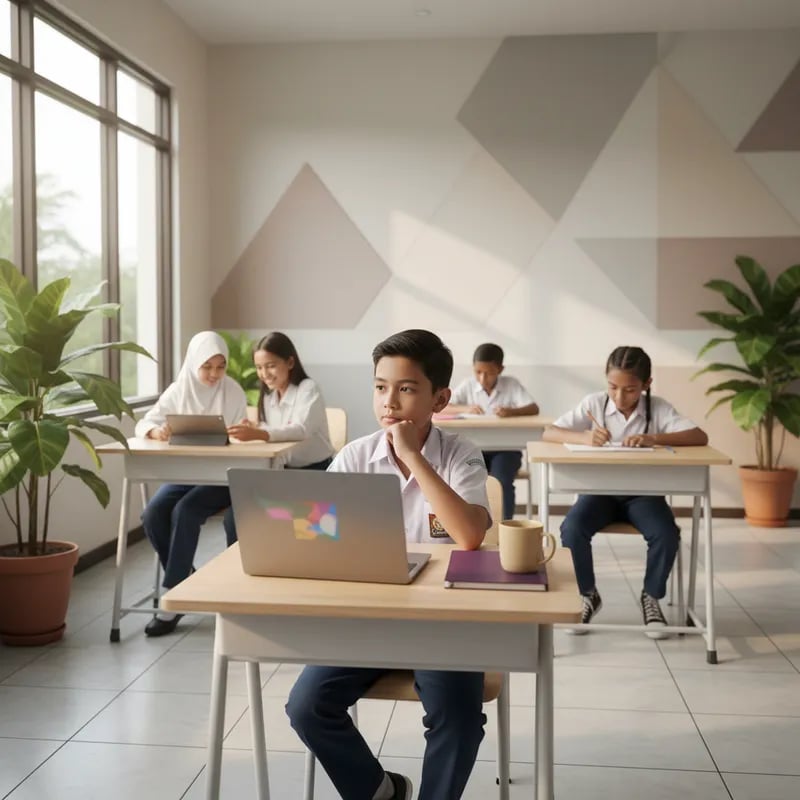
Future careers in the AI era: what to prepare now

AI Education8 min
Coding Education

Bayu Nugraha
Children's Coding Specialist
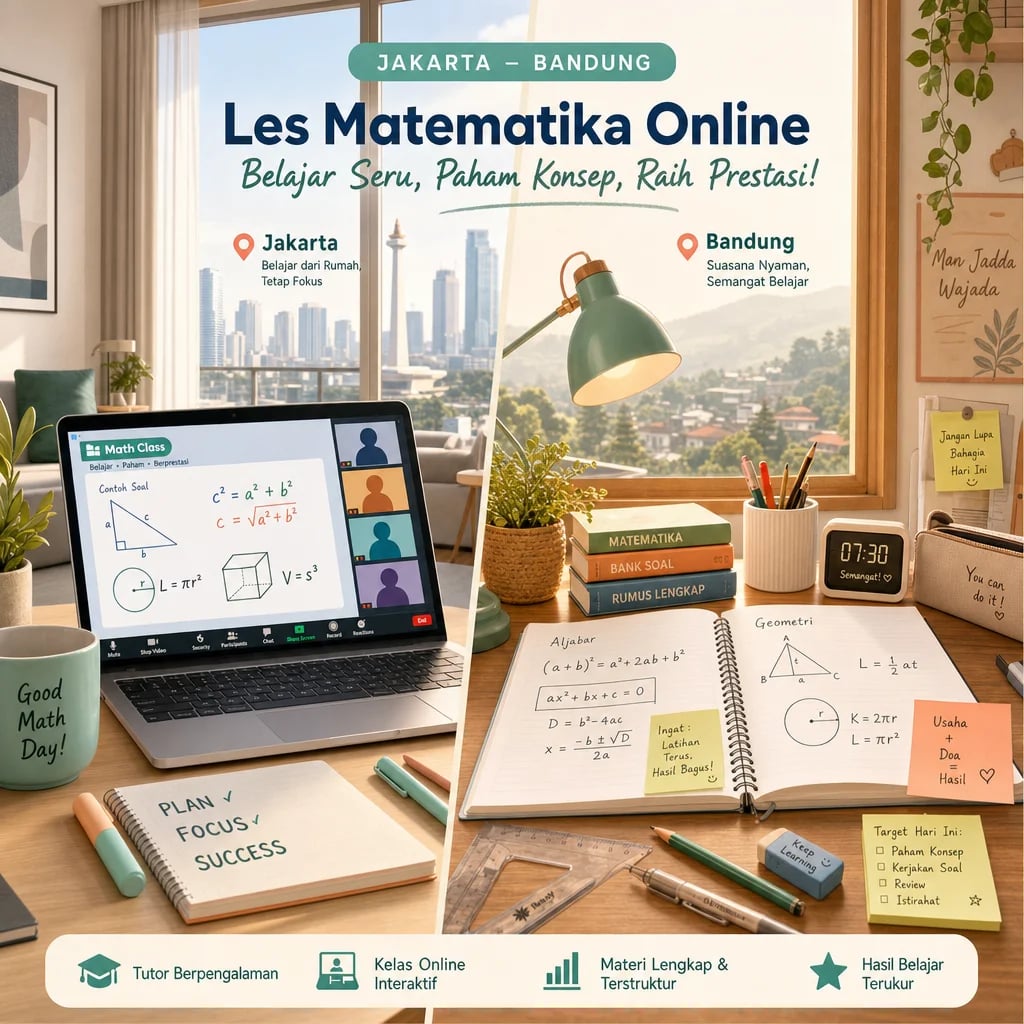
Programming logic is a structured way of thinking that solves problems by breaking them into clear, ordered steps a computer can follow. It is the foundation beneath every piece of code—and this logical thinking matters more than memorizing the syntax of any single programming language.
Table of Contents
Programming logic rests on three core ideas: sequence, condition (if-else), and loop. Sequence means steps run one at a time, in order. A condition lets a program choose a path: "if X happens, do A; otherwise, do B." A loop repeats one action until a target is reached, without rewriting the command.
Picture a cooking recipe. The sequence is the order of steps: wash the rice, then cook it, then serve. A condition appears when the recipe says "if the rice is still hard, add water." A loop happens when you are told to "stir 10 times." A computer works exactly like a cook following a recipe without skipping a single step. In fact, most apps—from games to social media—simply combine these three simple ideas into increasingly complex patterns.
Here is a simple example: a program greets a student, then checks their exam score.
In Python, the second step is written roughly as if score >= 75: print("Pass"). Just by combining sequence, condition, and loop, a program can already make decisions much like a person does. A child can build logic like this in a free Algonova coding class.
Mastering programming logic trains a child to think systematically, break big problems into smaller parts, and make decisions in a structured way—skills useful far beyond the screen. This ability is closely tied to computational thinking and the idea of a loop. A child who understands logic finds it much easier to pick up any language later, from Scratch to Python. In Algonova's coding course, kids practice these concepts through fun, visual projects from an early age.
Want to watch your child start thinking like a coder? Try a free class and see it firsthand.
No. Programming logic can be learned first and actually strengthens math skills. Children aged 5–7 can start with visual blocks like Scratch without typing any code.
Kids can start as early as age 5 using child-friendly visual tools. At this age the focus is not writing code but understanding sequence, cause-and-effect, and problem-solving.
Programming logic is the way of thinking, while a programming language like Python or Scratch is the tool for writing it down. Strong logic can be applied in any language.
Have them lay out the steps of everyday activities like a recipe or the route to school, play puzzles and board games, or try a free visual coding app. These simple exercises already build logical thinking.

Algonova worldwide
Contact
Whatsapp: +62 21 50996971
Email: info@algonova.id
Address
Coworking Area, Gedung IT 6 Lantai Dasar, Nongsa Digital Park, Jalan Hang Lekiu, Kelurahan Sambau, Kecamatan Nongsa, Batam, Indonesia Directorate General of Consumer Protection and Trade Compliance – Ministry of Trade of the Republic of Indonesia. WhatsApp Ditjen PKTN: 0853-1111-1010.
PT Algonova Indonesia Cerdas All rights reserved 2026